Collection
Essays
One idea per book
Short essays, one idea each. Mathematics, physics, evolution, cosmology, the history of ideas: each volume takes a single thought and follows it from its source to its furthest consequences. The same format as the rest of the house: 105 × 170 pocket, ivory background, EB Garamond.
The essays
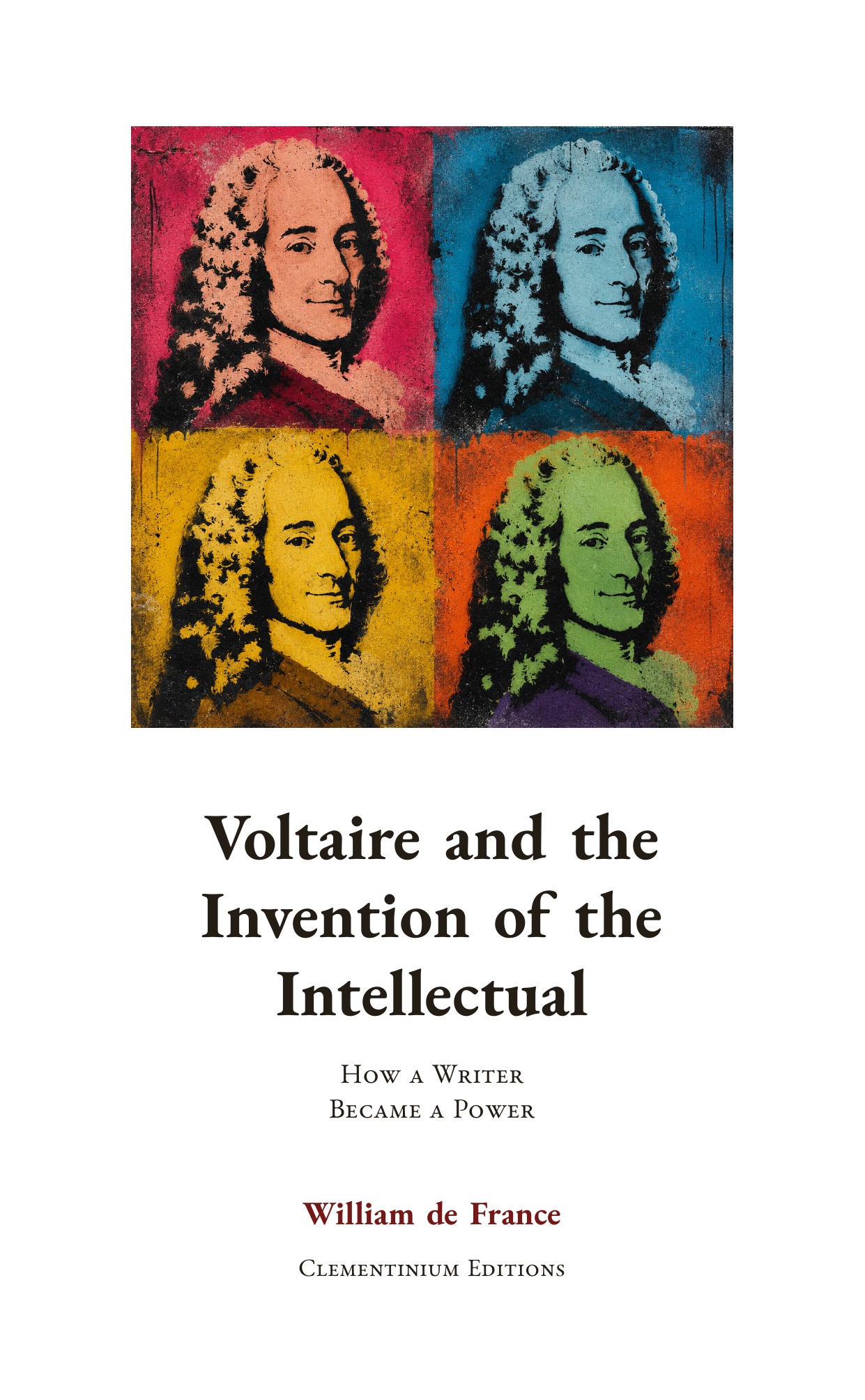
Voltaire and the Invention of the Intellectual
How a Writer Became a Power
In July 1791, a hundred thousand Parisians escort to the Panthéon the bones of a man their city had banished in his lifetime. What triumphs that day? Not a system: Voltaire had none. A new function. This essay follows, piece by piece, the making of a new kind of power: the private writer become a public force the state must reckon with. From a young man's beating in the street to the Calas affair, where a private individual holding no office has a sovereign verdict overturned by mobilizing the opinion of all Europe, Voltaire invents, a hundred and thirty years before Dreyfus, the role of the intellectual. The book also measures its price: the antisemitism lodged at the very heart of the crusade for toleration. Twin volume to Crush the Infamous Thing.
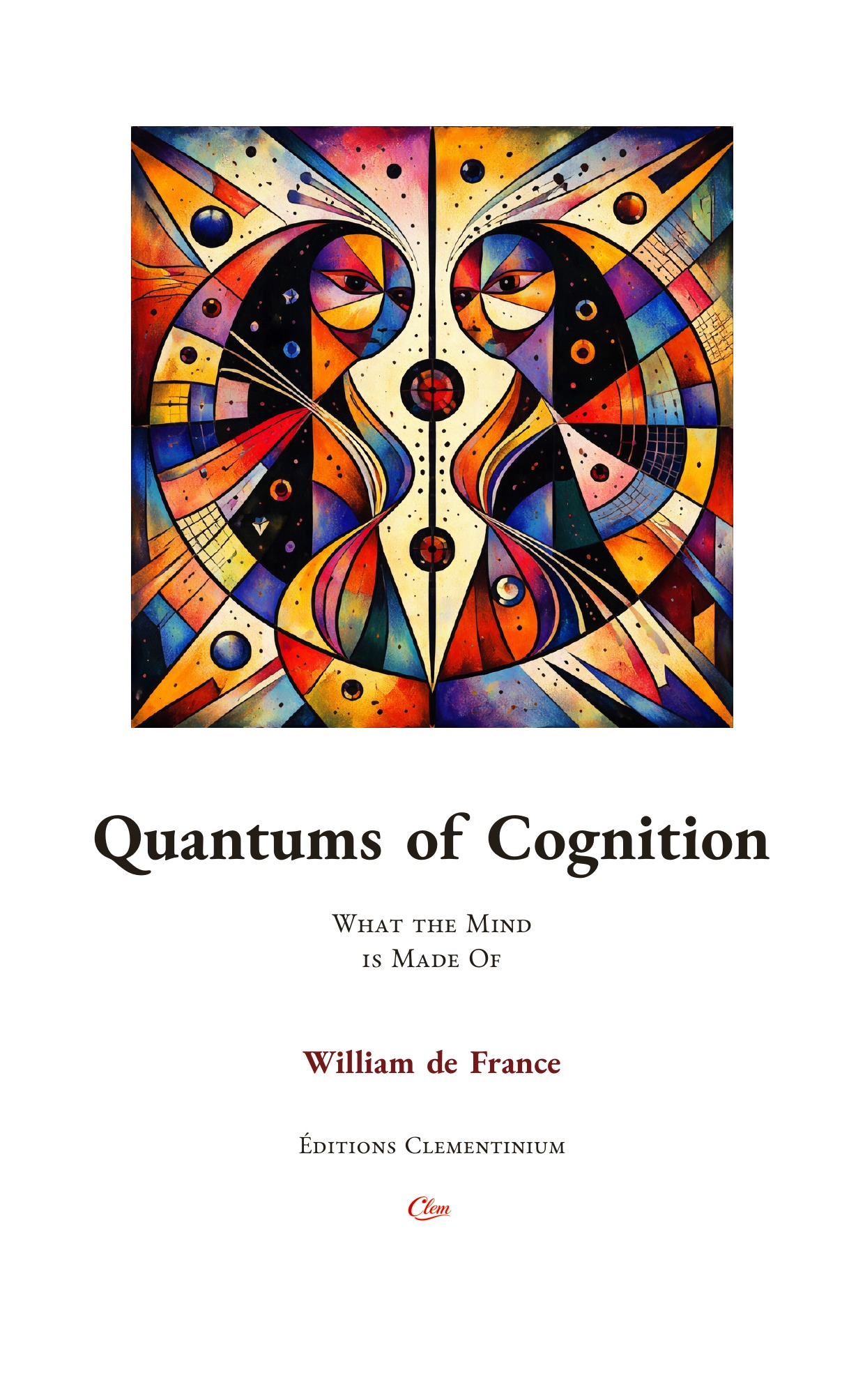
Quantums of Cognition
What the Mind Is Made Of
We experience the mind as an unbroken stream, a single, indivisible ‘self.’ What if that is an optical illusion? Seen up close, the mind turns out to be made of parts: a small set of elementary units (object, place, number, agent, intention) whose combination is enough to build thoughts, cultures, and institutions. This book follows these grains of cognition first in us, then in minds born on other shores of evolution: the octopus that thinks with its arms, the ant colony with no center, the crow with no mammalian cortex, the orca that hands down a culture without writing, and on to the artificial minds now assembling outside any flesh. A work of popular science that does not profane the mystery of the mind: it reveals its architecture.
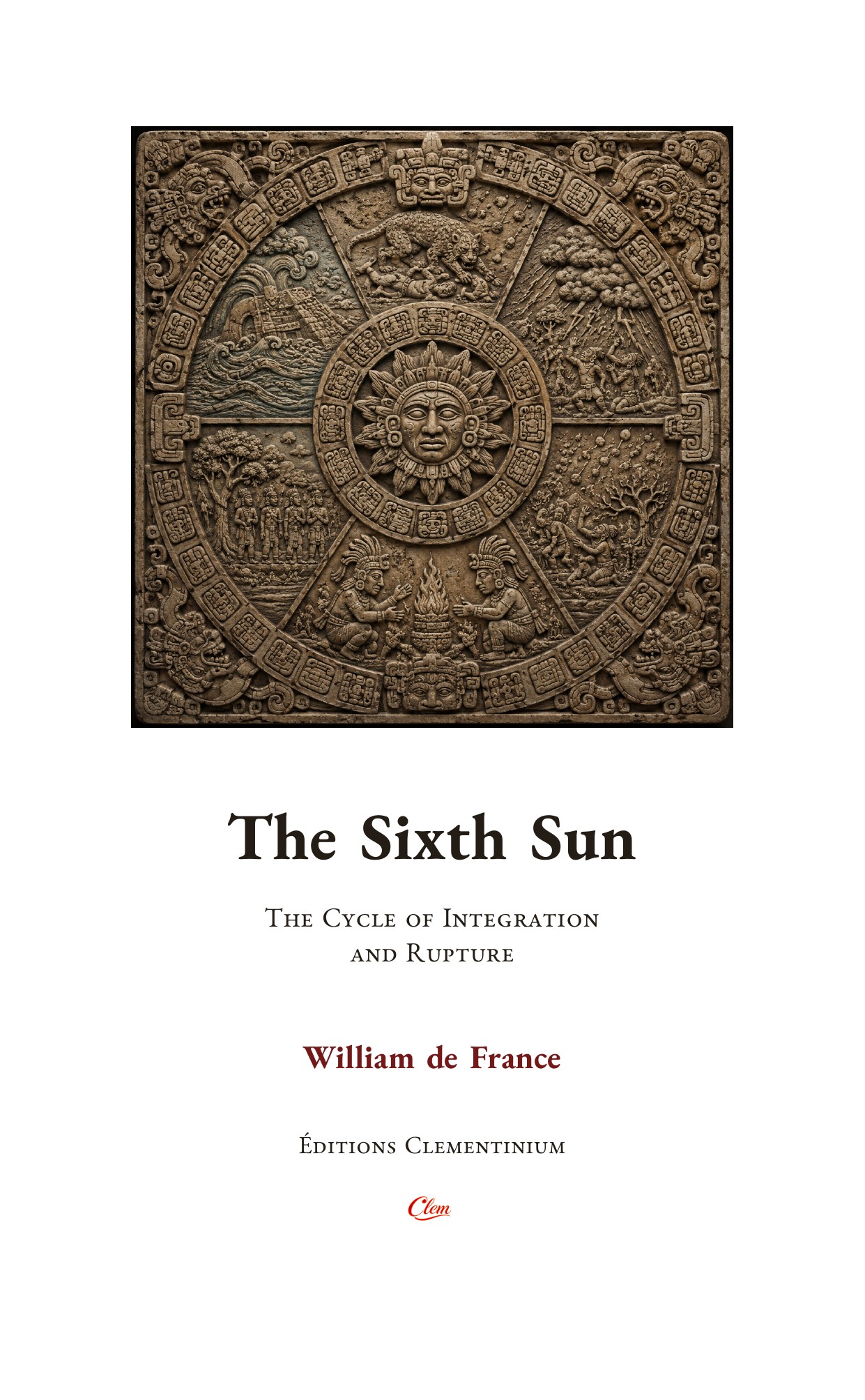
The Sixth Sun
The Cycle of Integration and Rupture across Scales
From Hesiod to the yugas, from the flood myth to the five Aztec Suns, peoples have sensed that time has a shape: fullness, saturation, rupture, renewal. This book follows that same pattern across scales, the cycle of stars, of supercontinents, of mass extinctions, of life's lineages, of civilizations, of globalization, toward a common form. The sixth Sun is not a prophecy: it is the question of what our planetary integration, pushed to saturation, will become.
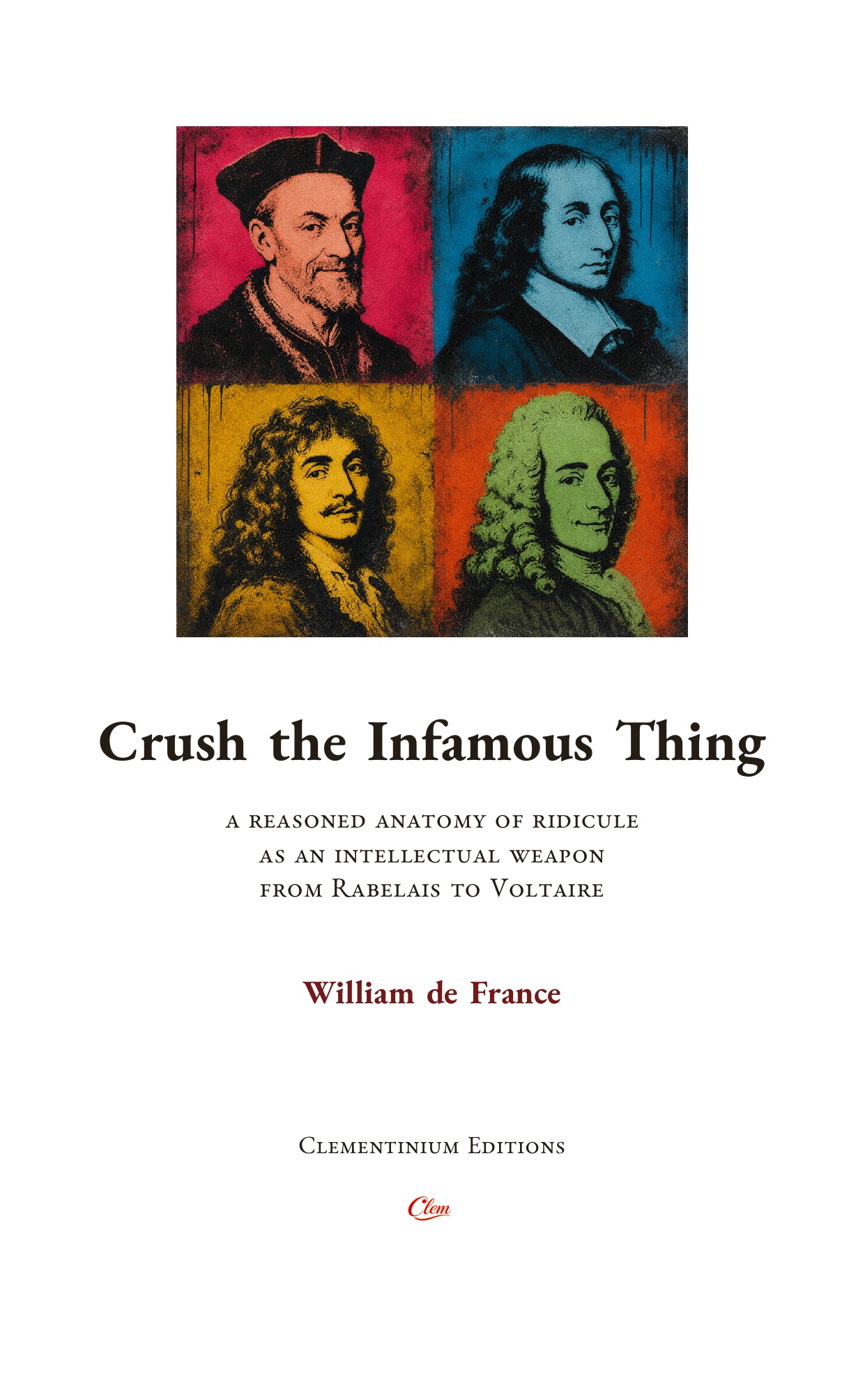
Crush the Infamous Thing
A reasoned anatomy of ridicule as an intellectual weapon, from Rabelais to Voltaire
From Rabelais to Voltaire, French laughter did more than amuse: it fought. This book dismantles ridicule as an intellectual weapon, its mechanisms, its targets, its registers, through seven masters: Rabelais and cosmic irony, Pascal and cold irony, Molière, La Fontaine, Fontenelle, Voltaire, and Diderot. Its thesis: the weapon of ridicule is technically separable from the cause it serves. The same device that defends a faith can be turned to attack it; laughter is a tool, not a morality. A comparative anatomy in five dimensions, followed by a reflection on what ridicule cannot do.
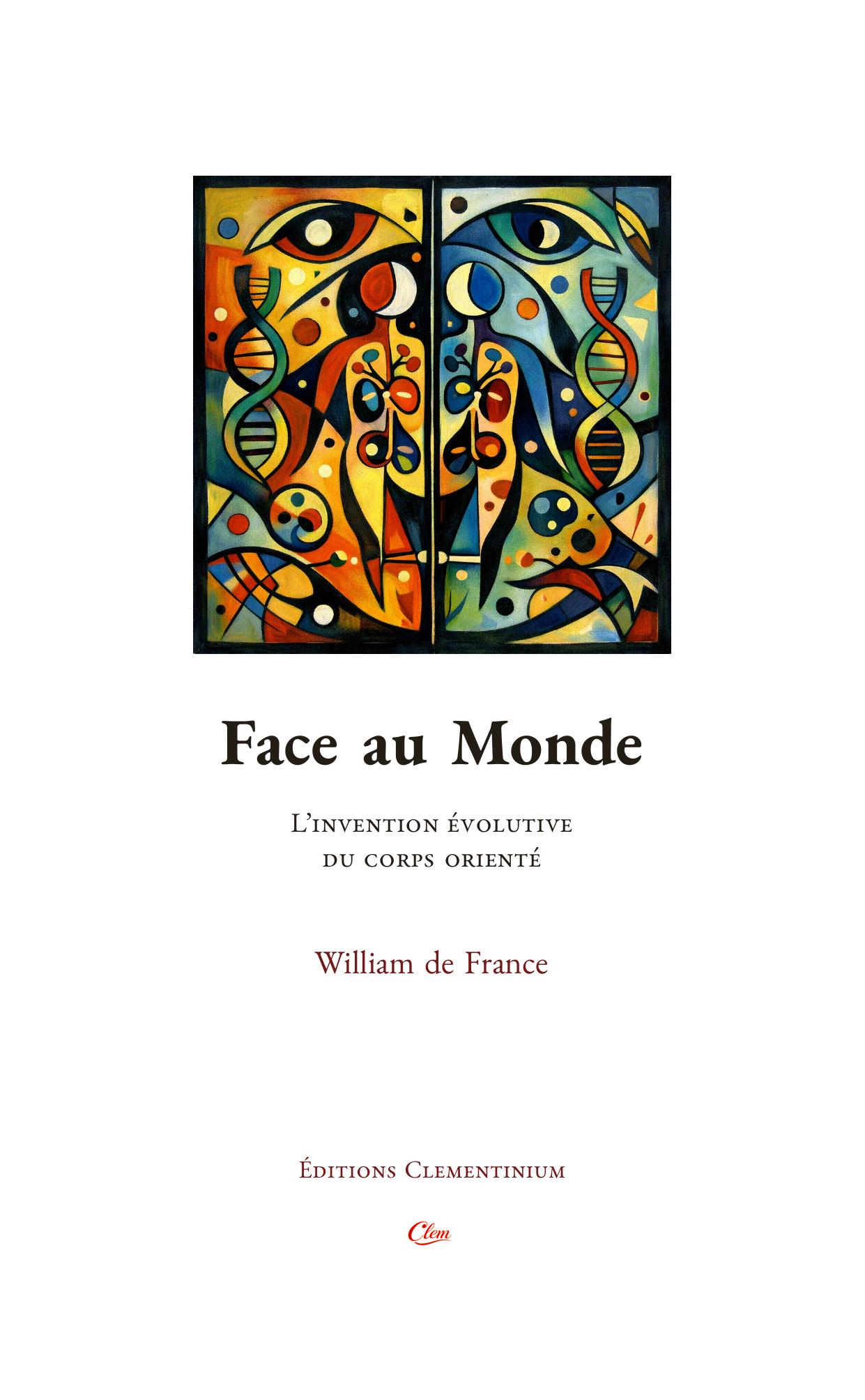
Facing the World
The Evolutionary Invention of the Oriented Body
An essay in twenty chapters on the branch of the tree of life we inhabit: the bilateral animals. Why does an animal have a front? Why are most built around a single axis, with a mouth at one end and a gut running through to the other? Why do senses and brain gather at the leading end? Tracing the story from the Burgess Shale back through the Cambrian and forward through a cascade of inventions, through-gut, head, coelom, segmentation, skeletons, walking, the warm body, the book argues that bilaterality is the widest answer ever found to a single problem: how to extract energy from the world.
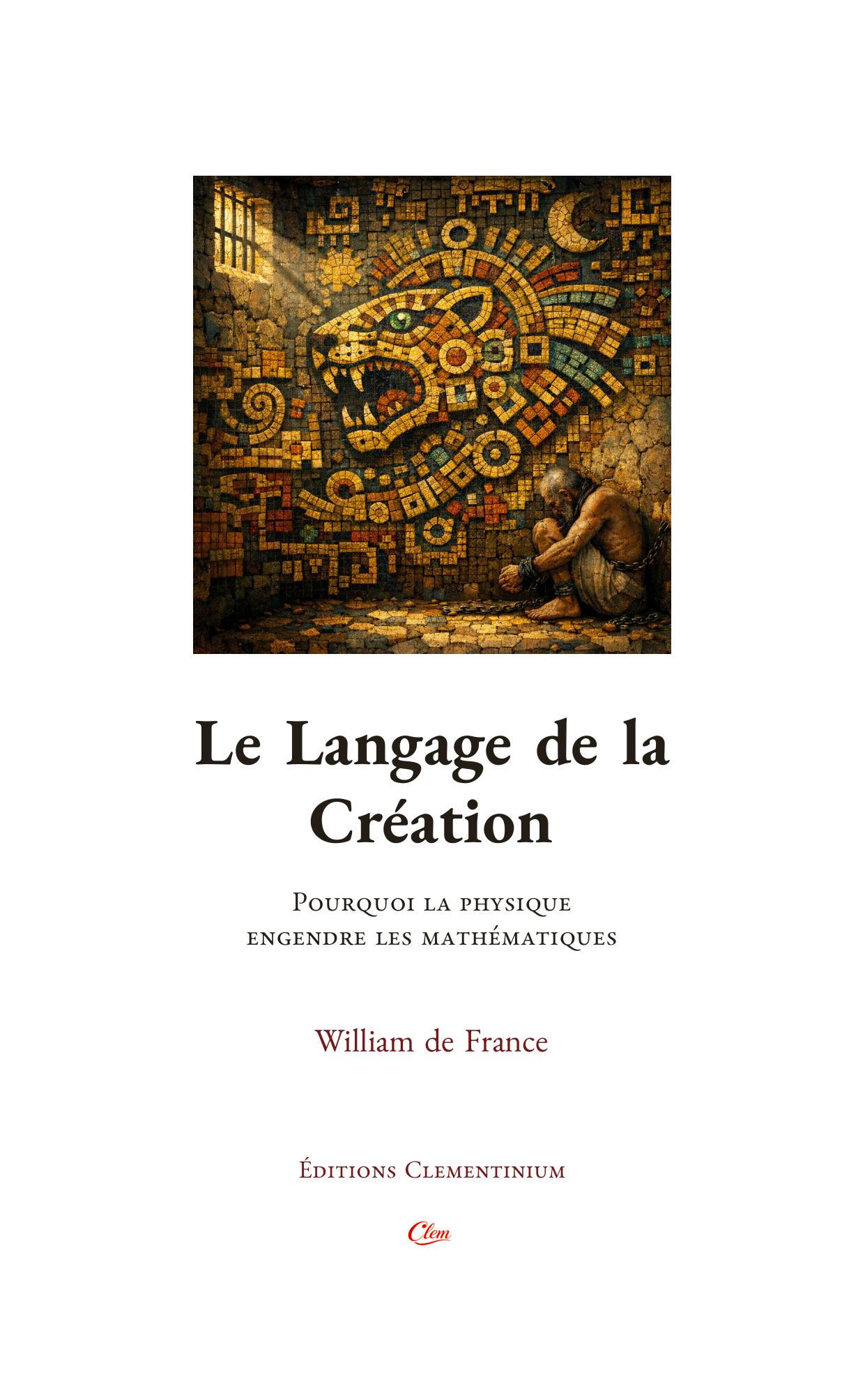
The Language of Creation
Why Physics Generates Mathematics
A philosophical essay on what contemporary mathematics and physics become when they are viewed as two methods of access to a single structure. Around three cases (mirror symmetry, the Langlands-gauge correspondence, renormalisation as Galois theory), and closing with a meditation on a page of Borges, the book argues that physics has been generating, for sixty years, the deepest mathematics, and that this is not an accident.
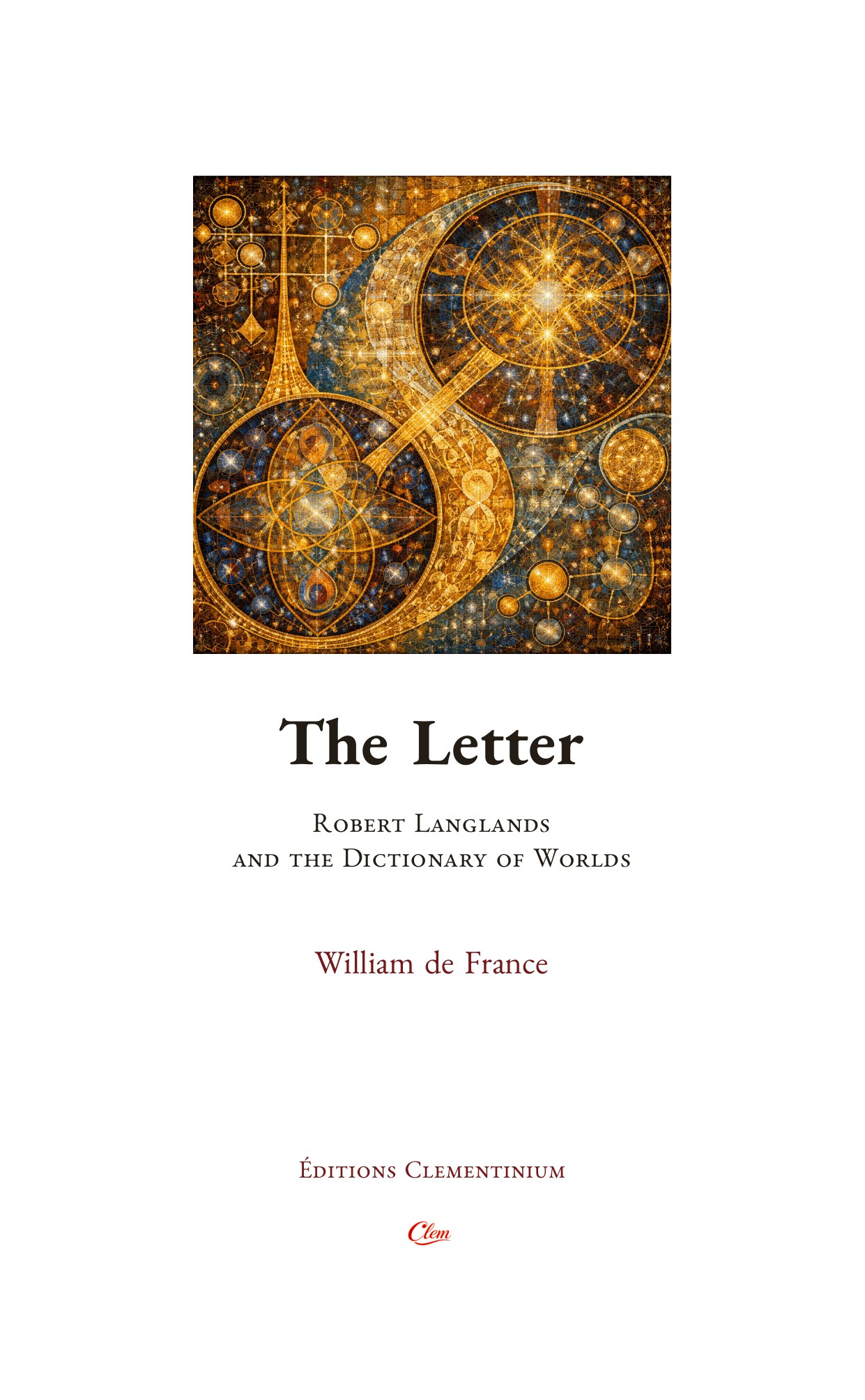
The Letter
Robert Langlands and the Dictionary of Worlds
In January 1967, at Princeton, the Canadian mathematician Robert Langlands wrote his senior colleague André Weil seventeen handwritten pages sketching a precise correspondence between two mathematical worlds that seemed to have nothing in common. That letter became, over the decades, one of the most ambitious research programs of the twentieth century. This book tells what was in it, and what it took for the letter to be right, through to the proof of 2024.
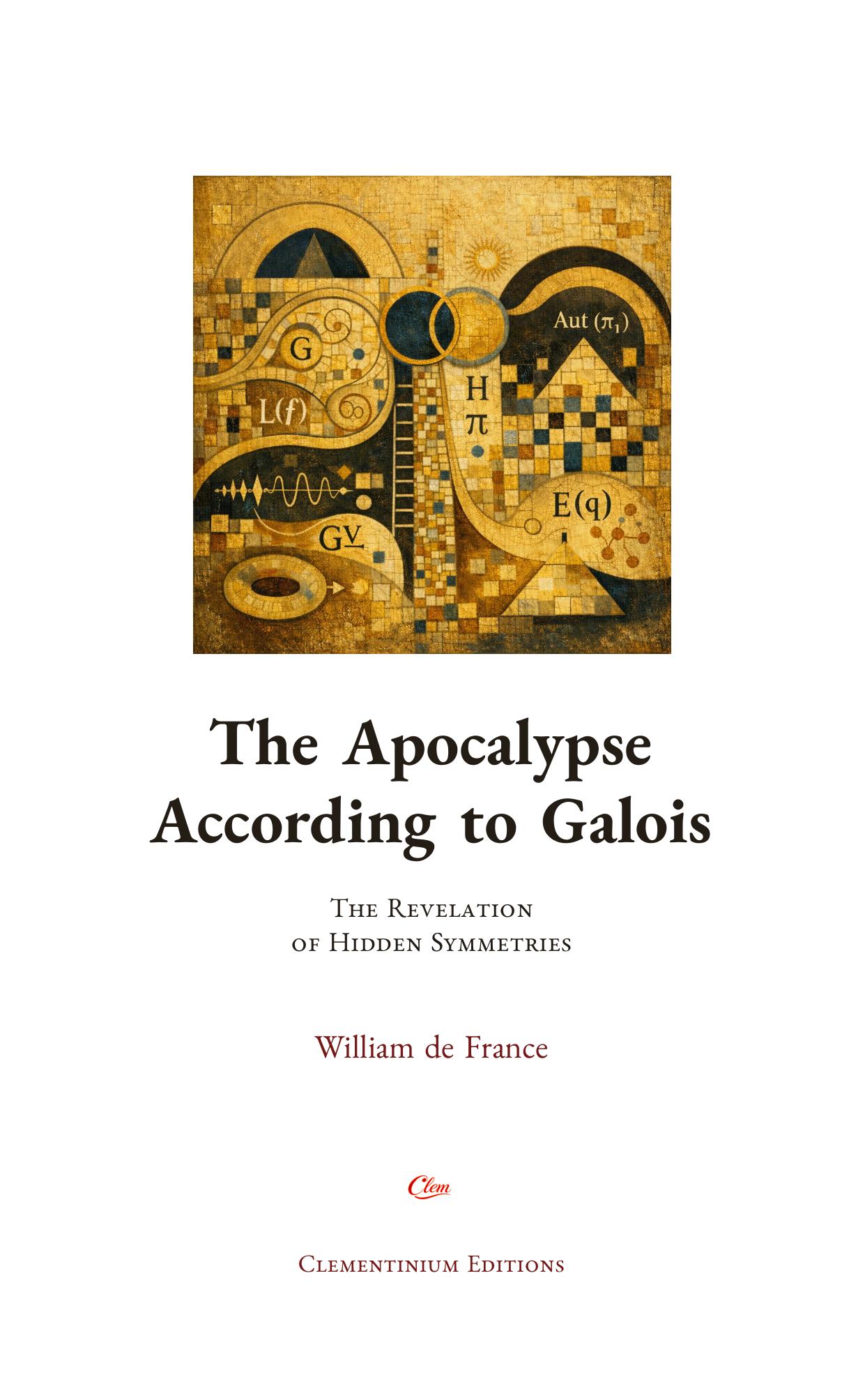
The Apocalypse According to Galois
The Revelation of Hidden Symmetries
On the night of 29 May 1832, in Paris, Évariste Galois, twenty years old, writes a letter to his friend Auguste Chevalier: he is to fight a duel at dawn and senses he will not come back. The pages he leaves behind, long illegible and then slowly understood, contain the outline of a new language, the language of symmetries, destined to reveal the deep unity of mathematics. This book tells what was in those pages, and what two centuries have done to understand them.
Format