Collection
Bibliotheca Hladikiana
The works of Jaromír Hladík
Jaromír Hladík is the writer whom Borges, in The Secret Miracle (1943), condemns to be shot one morning in March 1939, in Prague. Before the firing squad, God grants him a secret, motionless year: time enough to finish, in his mind, the play he had not written.
The Bibliotheca Hladikiana gathers the works Borges attributes to him, real and apocryphal: the three translations of Jewish mysticism (Sefer Yetzirah, Sefer ha-Bahir, Idroth), A Defence of Eternity in two volumes, the inquiry into the Jewish sources of Boehme, and the play The Enemies. The text is established from the German notebook exhumed in 1993 from a Hradčany barracks and from the Calve editions, under the direction of W. d. F.
An undecidable question
It is not known whether Hladík lived, whether Borges invented him, or whether the Hradčany notebook is the late work of a reader of Borges. The Bibliotheca does not settle the question: it edits it.
The volumes
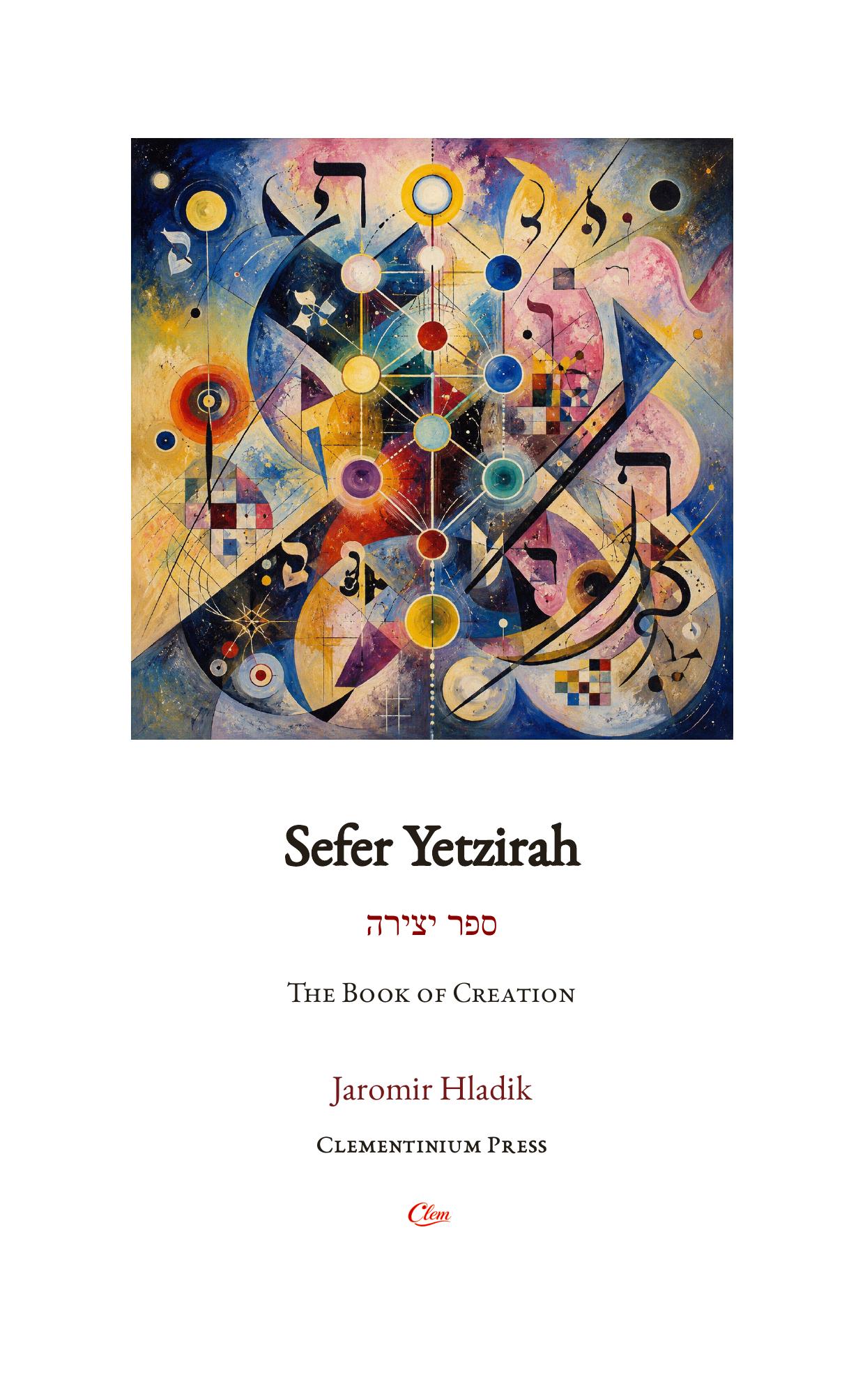
Sefer Yetzirah
The Book of Creation
The oldest mystical text of the Jewish tradition tells no story: where the Torah and the prophets narrate, the Sefer Yetzirah builds. In a few pages of almost mathematical concision it arranges numbers, letters, elements and organs. Here is the translation Jaromír Hladík made of it in 1928, his first book and the only one published in his lifetime: vocalised Hebrew, a scholarly transliteration, and the reader's notes in which his whole thought is already sketched. In appendix, the complete German original (Hermann Barsdorf Verlag, Berlin), the language in which he conceived it. The volume that opens the Bibliotheca Hladikiana, devoted to the scattered work of the writer Borges immortalised in The Secret Miracle.
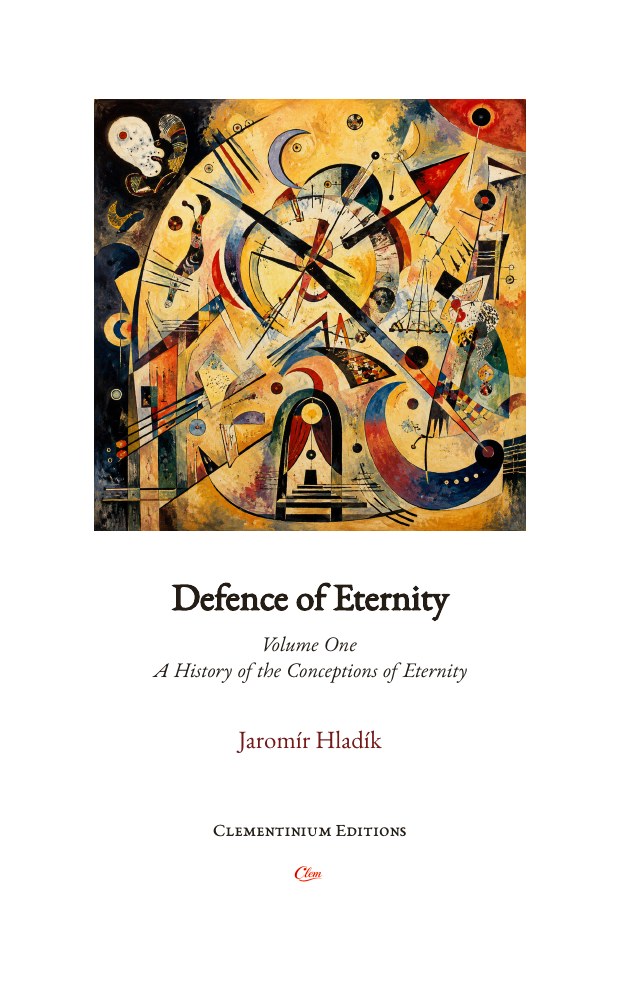
Defence of Eternity
Volume One. A History of the Conceptions of Eternity
Before refuting time, Hladík summons its adversaries. This first volume of his great philosophical work traverses twenty-five centuries of thinking about eternity, from Parmenides's seamless Being to Hinton's geometric past, by way of Aristotle, Boethius, Spinoza, Leibniz, Hegel and Einstein's relativity: a history of the ways men have tried to withdraw something from passing time. The man Borges made the hero of The Secret Miracle here unfolds the range of his reading without ever parading it. French text established from the Hladík autograph (Národní archiv); the German original in appendix. The great work of philosophy of the Bibliotheca Hladikiana.
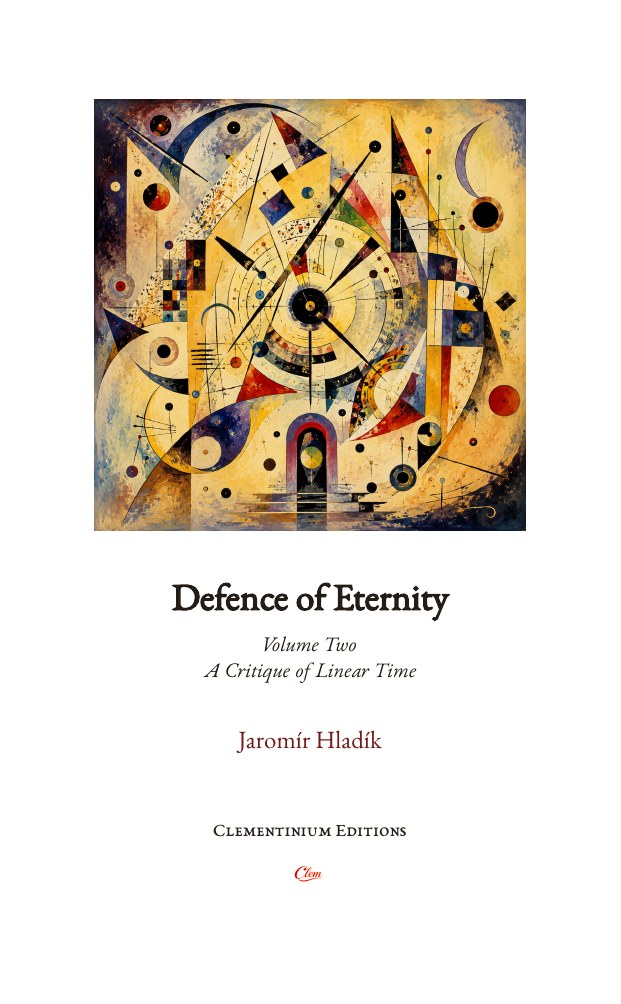
Defence of Eternity
Volume Two. A Critique of Linear Time
The second volume, where Hladík moves from history to thesis. Against the passing of time he argues, after Bradley and the Kabbalah, that nothing that has been can cease to have been: eternity is neither survival nor duration but the indestructibility of the accomplished, the having-been of things. It is the doctrine Borges stages in The Secret Miracle, and that the tragedy The Enemies will soon carry onto the boards. French text established from the Hladík autograph; the German original in appendix. The doctrinal heart of the Bibliotheca Hladikiana.
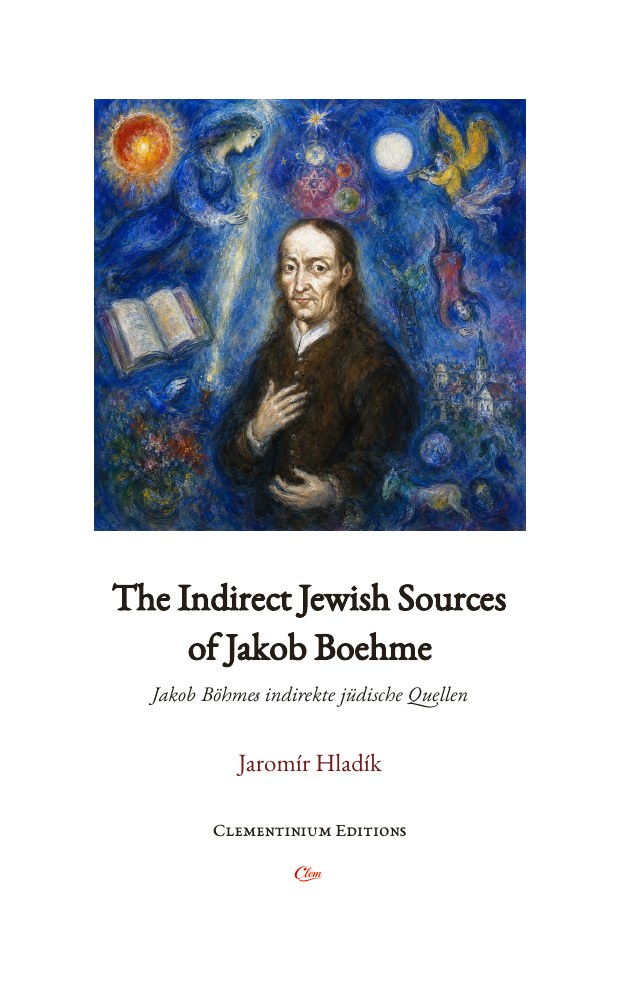
The Jewish Sources of Boehme
On the Indirect Channels of the Kabbalah
How did the Kabbalah reach Jakob Boehme, the Görlitz shoemaker who read no Hebrew and had never seen a synagogue? Hladík argues no direct filiation, which no document attests; he assembles a convergent body of evidence: Paracelsus, Valentin Weigel, the physician Balthasar Walther, the Christian Kabbalah of Pico and Reuchlin, and above all the 'holy Cabala of metamorphoses' Boehme himself names in 1624. An inquiry of exemplary caution, reading in the theosophist's Natursprache the three-seven-twelve structure of the Sefer Yetzirah. French text established from the Hladík autograph; the German original in appendix. The scholarly side of the Bibliotheca Hladikiana, by the Praguer of The Secret Miracle.
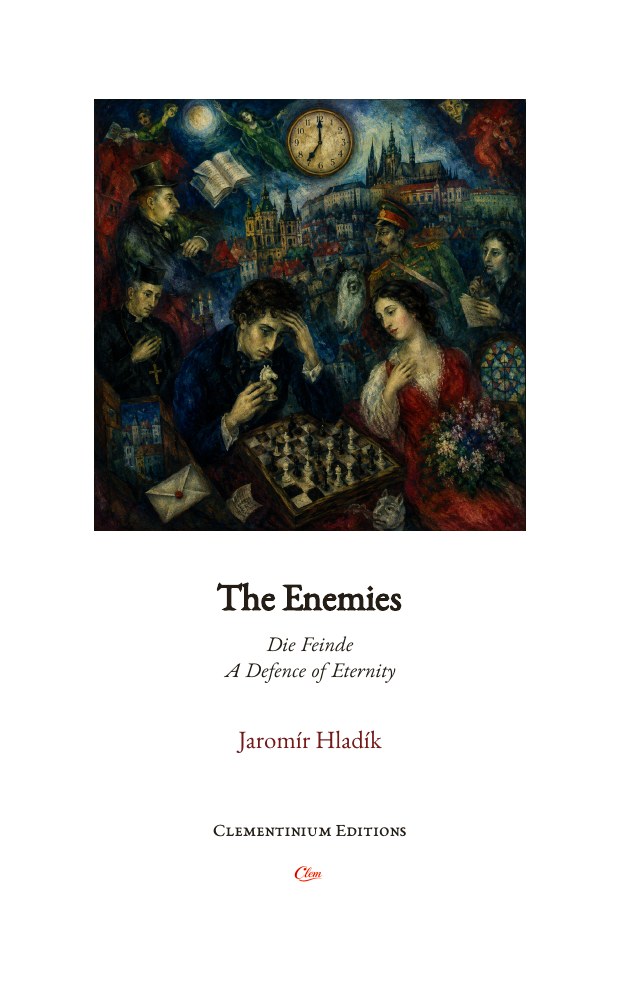
The Enemies
A Drama in Three Acts (Die Feinde)
The play at the heart of Borges’s The Secret Miracle. Condemned to death in Prague in March 1939, Jaromír Hladík is granted by God a secret, motionless year, suspended between the order to fire and the volley, to finish in his mind the drama he never wrote. Here it is. In a Hradčany library, through an evening that cannot end, Baron Roemerstadt, a banker of converted Jewish lineage, searches the chessboard for “a move that does not lose,” while a priest, a banker, a colonel and a journalist tighten around him a game already rigged. Three acts, a clock stopped at seven, a loop. What the Defence of Eternity proves by the concept, The Enemies puts to the test upon the stage. This edition gives the English text, followed by the critical postface “The Compromised Chessboard” and the complete German Fragmentum, the Hradčany notebook. The keystone of the Bibliotheca Hladikiana.
Sefer ha-Bahir
The Book of Clarity
Three years after the Sefer Yetzirah, Hladík offers the companion to his first book: an anthology of the Sefer ha-Bahir, the 'Book of Clarity', the oldest text of medieval Kabbalah, where the tree of the sefirot and the transmigration of souls first appear. Some thirty selected verses, in Hebrew, transliteration and translation, with his reader's notes. In appendix, the complete German original (1931, unpublished in his lifetime). The first of the two panels the translator of The Secret Miracle adds to his kabbalistic trilogy, beside the Sefer Yetzirah and the Idroth.
Les Idroth
The Greater and Lesser Assemblies of the Zohar
The summit, and the end, of the kabbalistic trilogy: after the Sefer Yetzirah (1928) and the Sefer ha-Bahir (1931), Hladík translates the two Idroth, the 'Assemblies' of the Aramaic Zohar (around 1280). In the Greater (Idra Rabba) and the Lesser (Idra Zuta), Rabbi Shimon ben Yochai unveils to his companions the theosophy of the divine 'faces', Arikh Anpin, Ze'ir Anpin, Atika Kadisha: three companions die of it, and the master himself on the last page, at the instant his word is completed. Twenty-five selected passages, in Aramaic, transliteration and translation, with Hladík's notes. In appendix, the German original (1933, unpublished). The last panel of the Bibliotheca Hladikiana's trilogy.
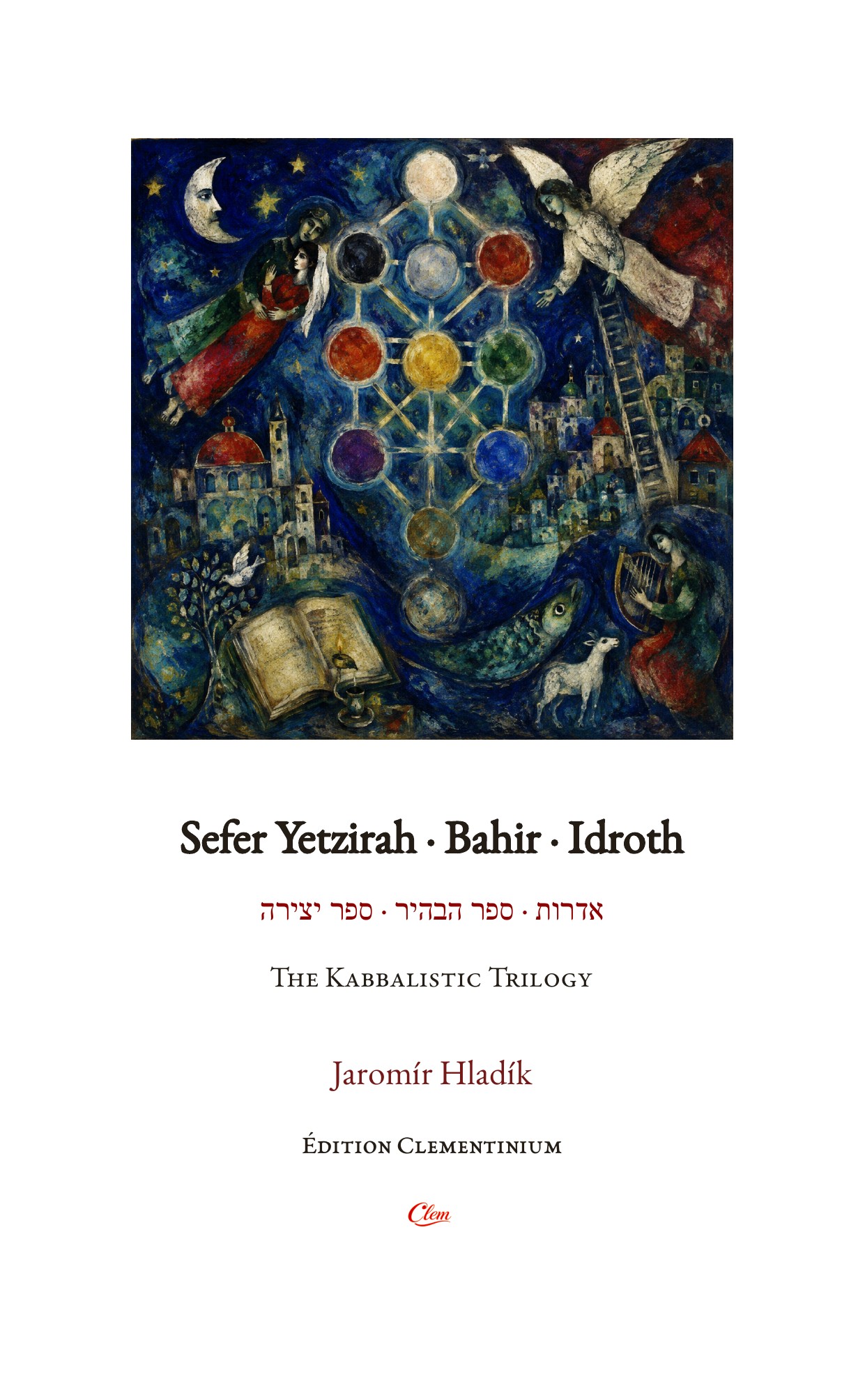
Sefer Yetzirah · Bahir · Idroth
The Kabbalistic Trilogy
Jaromír Hladík's three kabbalistic translations gathered in one volume. Composed from 1928 to 1933, they trace a single arc, from the origins to the summits of Jewish mysticism: the Sefer Yetzirah (the letter; third to sixth century), the Sefer ha-Bahir (the power; Provence, around 1180) and the Idroth of the Zohar (the face; Castile, around 1280). From the letter to the power to the face. Each book is given in full (vocalised Hebrew or Aramaic, transliteration, translation and notes), followed by its bibliography; the three German originals are placed in appendix. The Sefer Yetzirah appeared in Berlin in 1928; the Bahir and the Idroth, unpublished, are established from the Hladík autographs. The complete edition of the trilogy, prefaced by an essay that traces its arc.
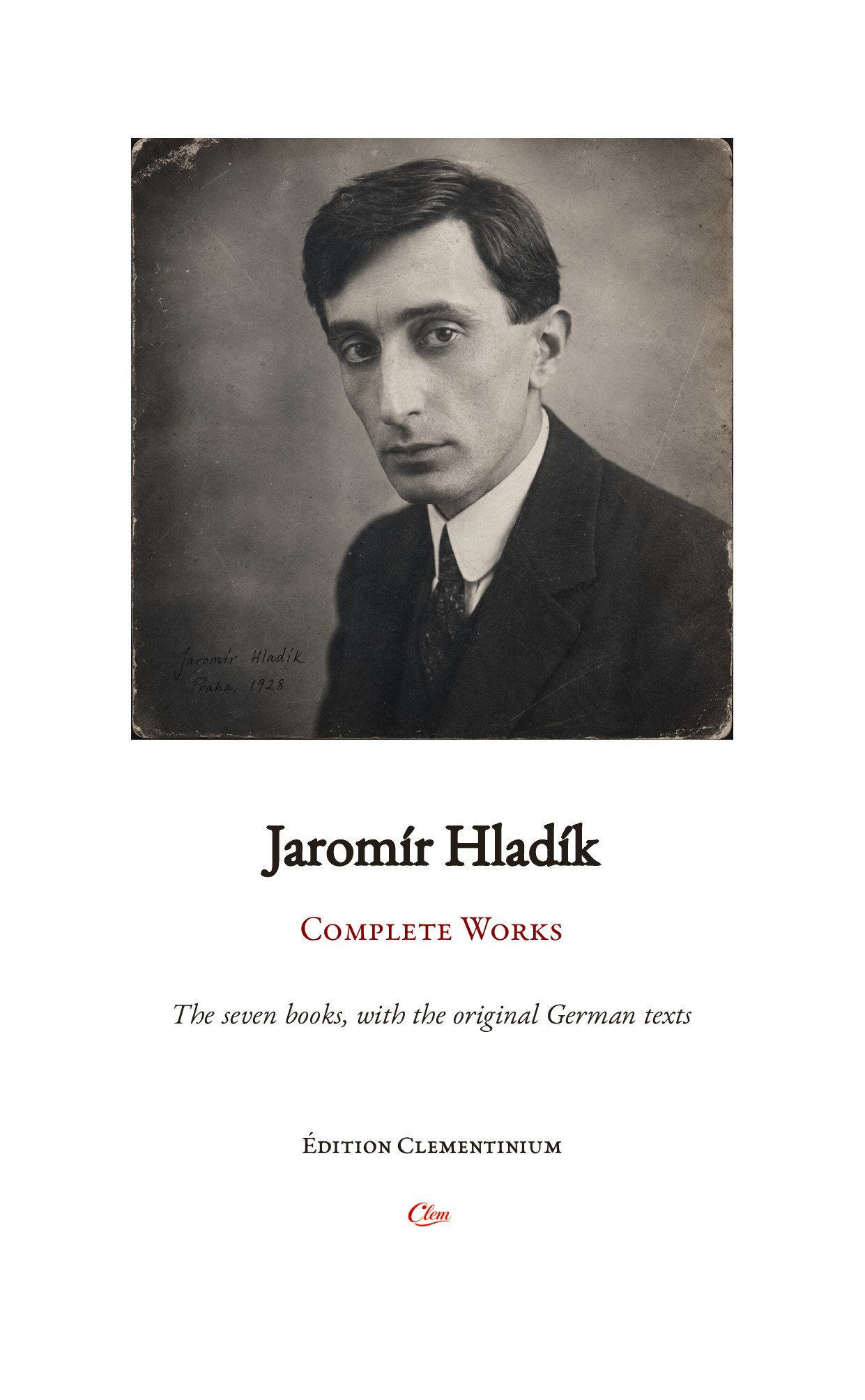
Complete Works
Jaromír Hladík: The Seven Books
The entire work of Jaromír Hladík gathered for the first time in one deluxe volume. The seven books in the order they were thought: the Sefer Yetzirah (1928), A Defence of Eternity I and II (1928-1929), the Sefer ha-Bahir (1931), the Idroth (1933), The Jewish Sources of Boehme (1934) and the tragedy The Enemies (1939). A chronology and a preface open the volume; a critical dossier of eight studies, the documents of the collection (reviews, memoirs, Barsdorf catalogue) and the seven German originals close it. Over two thousand pages to read, at a single stretch, the writer Borges set at the heart of The Secret Miracle. The reference edition of the Bibliotheca Hladikiana.
Format